



Column Radiators
“My ambition is to design a radiator of such refined and artistic elegance, that in its finished state it may justly be regarded as an object of art” – Louis Courto, the designer of the Corto column radiator (1922)
Showing 1–16 of 61 results
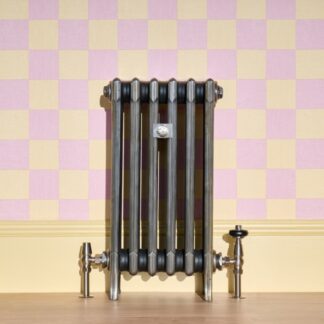
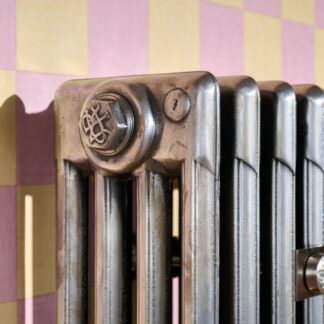
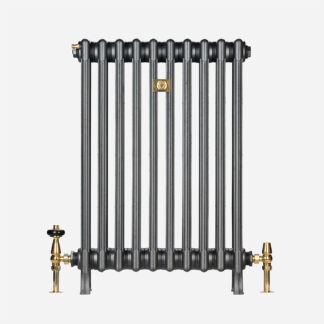
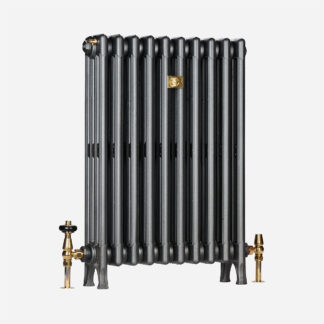
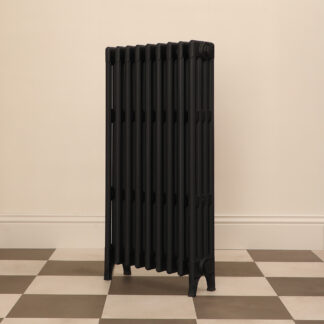
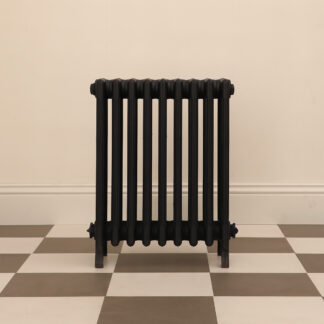
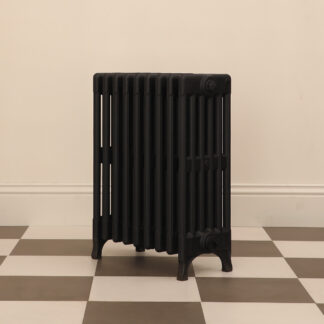
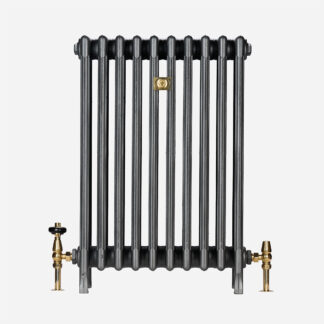
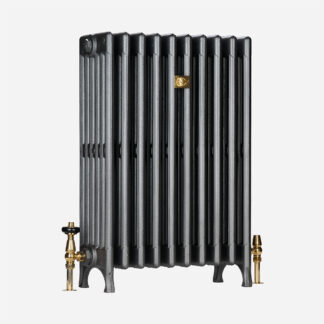
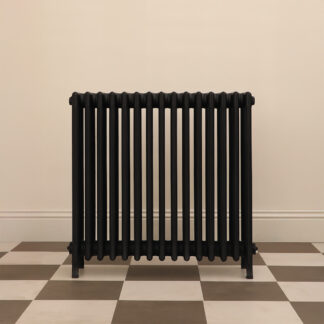
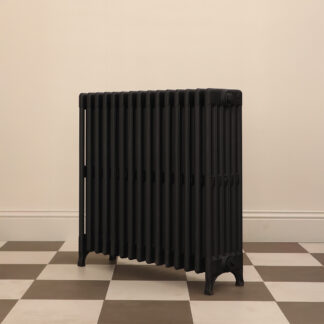
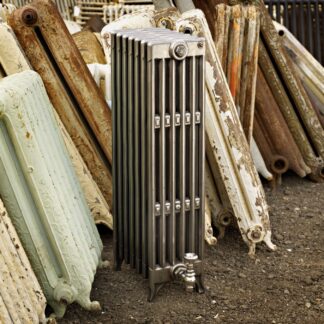
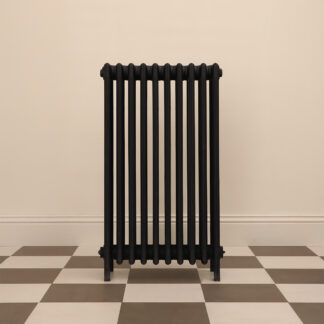
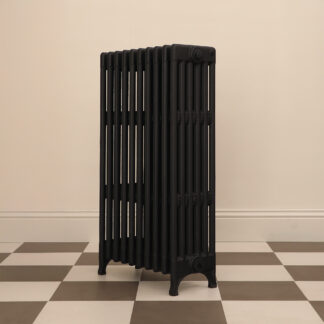
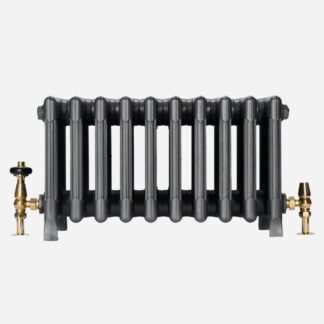
Showing 1–16 of 61 results
Column Radiators
What are 'Column Radiators'?
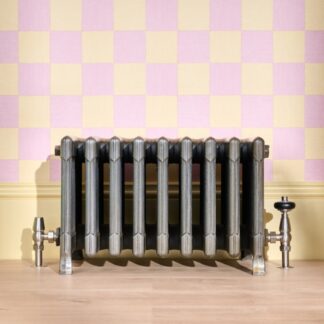
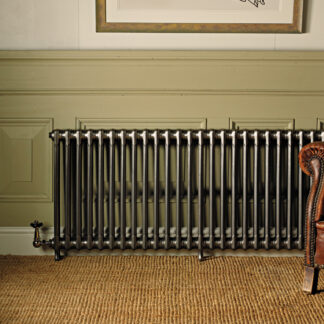
Edwardian column radiators, often simply called “column radiators,” became the most popular type of cast iron radiator from the mid-to-late 1910s, succeeding ornate, school, and hospital radiators.
During this period, design trends were heavily influenced by the Art Deco movement, known for its emphasis on streamlined, geometric forms, metallic accents, and symmetry. Column radiators reflected these ideals, differing from the earlier ornate radiators inspired by the flowing, decorative lines of the Art Nouveau style.
Column radiators were specifically marketed for domestic homes, and their thinner castings made them lighter and easier to handle compared to the bulkier school or hospital radiators.
Key Features of Column Radiators
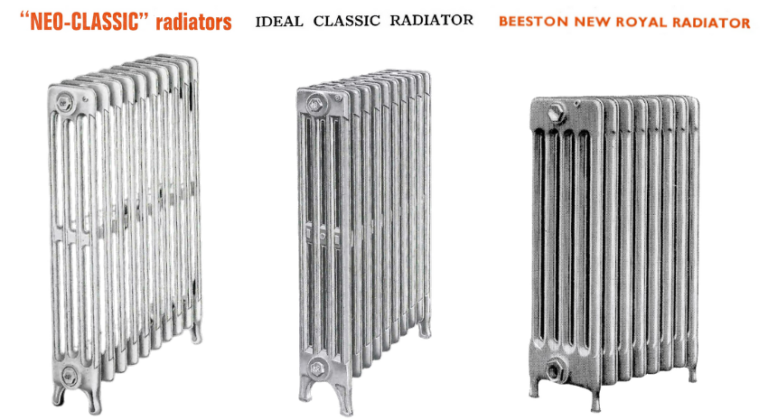
Column radiators differ significantly from their predecessors in several ways. As mentioned earlier, they are much lighter due to their thinner castings. This allowed the radiators to have multiple slim columns per section. For instance, a 4-column Neo Classic radiator is half as deep as a 4-column ornate National radiator, despite both having the same number of columns.
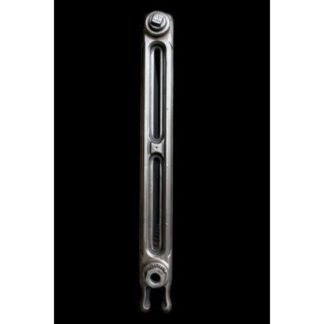
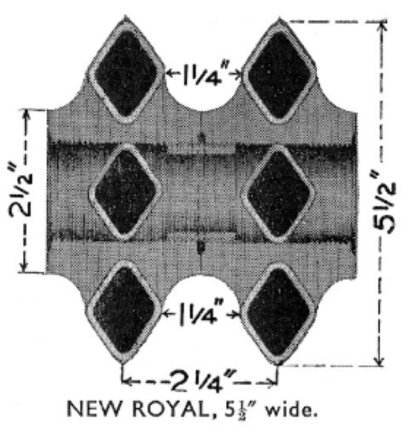
One key difference lies in the cross-sectional shape of the columns. Column radiators feature a diamond-shaped cross-section, which contrasts with the oval or tear-drop shapes seen in hospital and school radiators.
Another distinguishing feature is their flat tops, which gave them a clean and modern appearance, in contrast to school, hospital and ornate radiators.
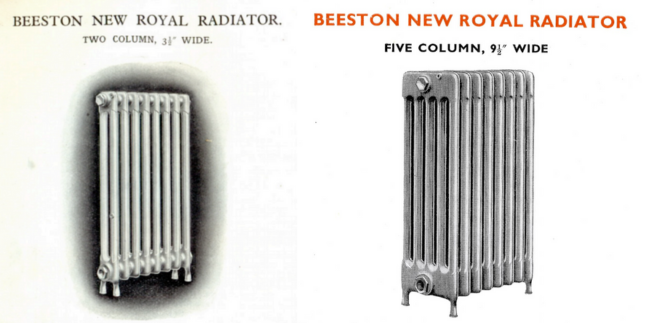
Image: A brochure image from the Beeston Boiler Company displaying a typical column radiator cross-section shape.
The Evolution of Column Radiators
Corto & ARCO Radiators
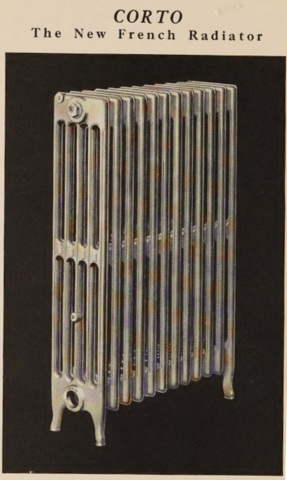
The first column radiator, named the “Corto,” was created by the American Radiator Company. Despite its American origins, the design paid homage to Louis Courto, a key French partner responsible for ARCo’s success in Europe.
The Corto set the design standard for column radiators, with its smooth surfaces, flat top, and distinctive upside-down “V” shape where the columns met the radiator’s shoulder. This design became the blueprint for many later column radiator models.
A few years later, ARCo introduced the “ARCO” radiator, similar in design to the Corto but with even thinner castings. This model was another step forward in refining the column radiator’s design.
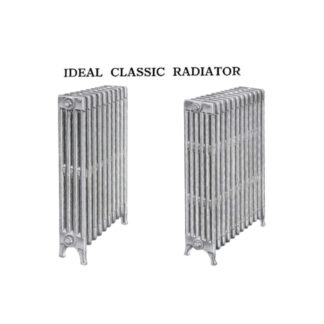
Ideal Classic
The Ideal Classic, produced by ARCo’s British branch, the National Radiator Company, was Britain’s first column radiator. Made from the early 1920s in Hull, this radiator became popular across Europe, including France and Germany.
The Ideal Classic shared many features with the Corto and ARCO radiators but was notable for its more rigid, rectangular shape. Its top (or “shoulder”) was more bulky and angular, compared to the more smooth and lean profiles of other models. It also featured square cross-braces between columns, giving it a stronger, more industrial appearance.
Shop Ideal Classic Radiators
Neo Classic
The Neo Classic is perhaps Britain and Europe’s most iconic radiator design. It was produced shortly after the Ideal Classic and remained in production well into the 1970s under Ideal Standard, formerly the National Radiator Company. Its long production run and widespread use made it one of the most recognisable radiator designs of all time.
Compared to the Ideal Classic, the Neo Classic had a more refined, streamlined look. The top of the columns curved around the top bush, giving it a softer profile, and the cross-braces between the sections were bi-concave, replacing the Ideal Classic’s more rigid, square braces.
Shop Neo Classic Radiators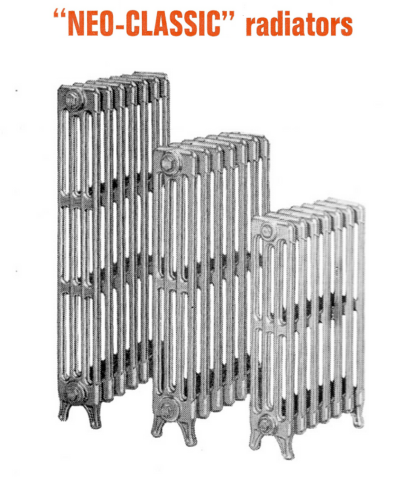
Pall Mall
Crane’s Pall Mall radiator was another highly popular design in the UK, produced from the late 1920s. Like the Neo Classic, it had a long production run and remains one of the most frequently encountered original column radiators today.
The Pall Mall design featured bi-concaved cross-braces between sections, similar to the Neo Classic, but had a distinctive bead running along the face of each column, adding a touch of detailing that set it apart from other column radiators.
Shop Pall Mall Radiators
New Royal
The New Royal was the Beeston Boiler Company’s most popular column radiator, closely resembling the Neo Classic by their main competitor, the National Radiator Company. It shared the same diamond-shaped columns and flat tops but had slightly more bowed legs, rather than flared, a signature feature of Beeston radiators.
This model was an evolution of the earlier “Royal” radiator, first released in the 1920s. The New Royal underwent various design refinements throughout the 1930s and 1940s, solidifying its place as Beeston’s top-selling column radiator.
Shop New Royal Radiators