



School Radiators
Iconic and enduring, the school radiator is one of the oldest and long-standing styles from the Victorian era.
Showing 1–16 of 56 results
/Lifestyle Imagery/Screen - Low-Res/beeston-duchess-1-column-painted-top-detail-tree-324x324.jpg)
/Lifestyle Imagery/Screen - Low-Res/beeston-duchess-1-column-painted-top-detail-outside-324x324.jpg)
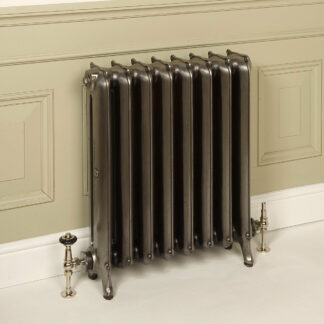
/Product Imagery/Screen - High-Res/beeston-duchess-3-column-polished-top-detail-angled-324x324.jpg)
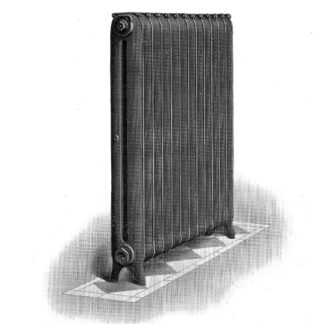
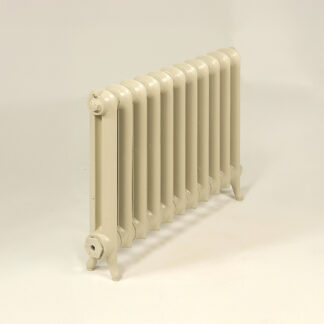
/Lifestyle Imagery/Screen - Low-Res/national-radiator-company-ideal-plain-1-column-23in-painted-silver-against-green-panelling-324x324.jpg)
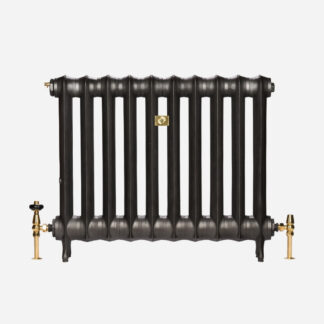
/Lifestyle Imagery/Screen - Low-Res/national-radiator-company-ideal-plain-1-column-32in-painted-cream-green-panelling-324x324.jpg)
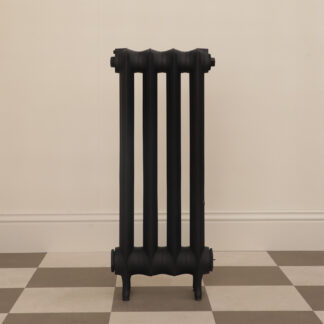
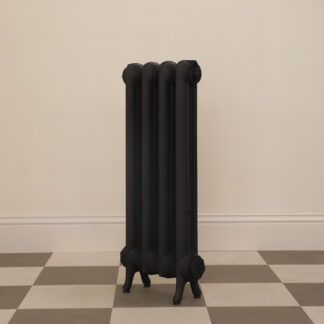
Showing 1–16 of 56 results
School Radiators
What Are 'School Radiators'?
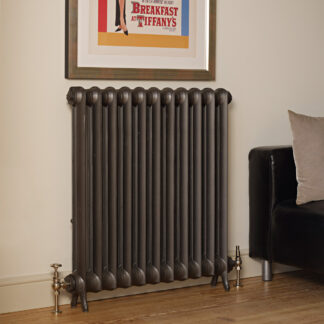
The term “school radiator” is a British term, referring to the large cast iron radiators commonly found in Victorian-era schools. Their smooth surfaces and chunky columns made them easy to clean, making them ideal for public buildings. Over time, this practical design became associated with the buildings they were found in, earning the name “school radiators.” The first recorded use of the term by a manufacturer was in 1936 when The Beeston Boiler Company of Nottingham introduced the Beeston Royal School radiator (pictured left).
Interestingly, the origins of the school radiator trace back to the American Radiator Company, which pioneered the design with its Peerless model in the late 1800s. However, the phrase “school radiator” remains distinctly British.

School Radiators: Key Features
School radiators come in various sizes and finishes, but they all share a common design: generally curved tops, smooth surfaces, and thick castings.
As well as their signature curved tops and chunky build, school radiators can be recognised by the cross-sectional shape of their columns. One of the most popular designs, the Princess radiator by the Beeston Boiler Company, showcases the distinctive teardrop-shaped columns (pictured right), a design also shared by our sister company Castrads’ Emmeline.
This teardrop shape sets school radiators apart from other styles, like the stretched oval columns found in hospital radiators or the neat diamond shape typical of Edwardian column radiators.
Image: A cross-sectional view of the columns of the Princess radiator.

The Evolution of School Radiators
How School Radiator Legs Changed Over Time
While school radiators share core features like curved tops and teardrop-shaped columns, the design of their legs have evolved over time.
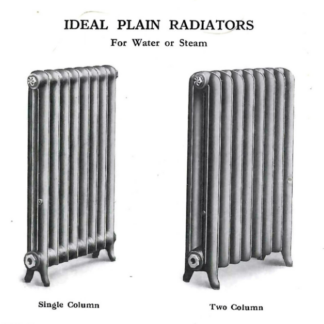
In the late 1800s, decorative legs were common, even on simpler models like the two-column Peerless, which featured ornate frills. A decade later, the Beeston Boiler Company’s Princess radiator showed a more subtle curled detail at the top of its legs with their optional curved ‘baffles’. By the 1930s, designs shifted toward a sleeker aesthetic. The Peerless, British Ideal Plain, and Beeston Royal School radiators adopted plain legs, reflecting a broader trend toward simplicity in design.

The Peerless
The Peerless, introduced by The American Radiator Company (ARCo), is regarded as the first school radiator. Originally launched in the U.S., it arrived in the UK after ARCo opened its London branch in 1897. Unlike the ornate radiators of the Gilded Age, the Peerless stood out with a smooth, functional design that made it ideal for public buildings. Its standout features – a curved top and protruding line across the face of each section – set the standard for future school radiator designs.
Shop Peerless Radiators
The Ideal Plain

The Princess
The Princess radiator, produced by the Beeston Boiler Company (originally Beeston Foundry), was designed to rival the success of the Ideal Plain. First cast in Nottingham, the Princess became another staple in British schools, known for its slightly more decorative features compared to the Ideal Plain.
While it maintained the robust, practical design of school radiators, the Princess added ornate touches, such as intricate markings around the top bush end. The range came with an optional style featuring curled metalwork above the legs, giving it a semi-decorative twist.
Shop Princess Radiators
The Beeston Royal School Radiator
Following the success of the Princess, Beeston introduced the Royal School Radiator, a slightly evolved version of its predecessor. While it retained many of the Princess’s key features, the Royal School Radiator made subtle design changes. One of the most notable differences was the repositioning of the bleed valve further away from the top bush.
Despite their similarities, this radiator is much less common than the Princess; we see it crop up from 1936, about a decade after school radiators were being phased out in favour of the Edwardian Column style.
Shop Royal School Radiators