



National Radiator Company
“We ensure the utmost efficiency and reliability in Ideal heating appliances.” – National Radiator Company Limited brochure (1930)

The History of the National Radiator Company
Who Was the National Radiator Company?
The National Radiator Company was Britain’s leading manufacturer of cast iron radiators in the early 20th century. Founded by the American Radiator Company (ARCo), it became known as the National Radiator Company in 1907 after its Hull factory was built on National Avenue.
As ARCo’s British arm, the company played a crucial role in supplying radiators to homes, schools, and public buildings across the UK.
Image: An early 1900s advert promoting the National Radiator Company.
The War Years
A Near Miss
In the spring of 1941, Hull endured one of the most devastating bombings of World War II during the Hull Blitz. The city was left in ruins, with 95% of its buildings damaged. One of the key targets was the National Radiator Company’s foundry, Britain’s largest radiator manufacturing plant.
During the war, the factory shifted focus from radiators to producing grenades, mortars, and bullets, manufacturing 20 million rounds of ammunition for the Allied forces. Despite being targeted dozens of times by the Luftwaffe, the foundry remained completely untouched by the bombings.
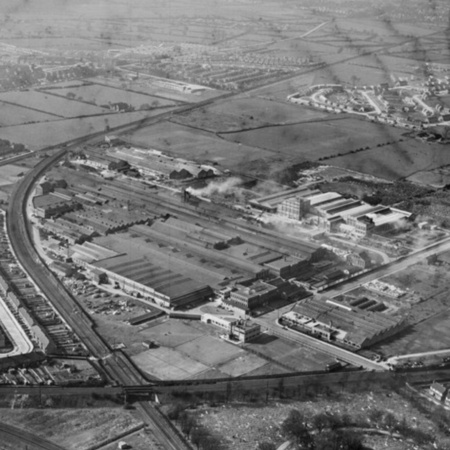
Image: The National Radiator Company’s Hull foundry (1907).
A Deadly Rivalry
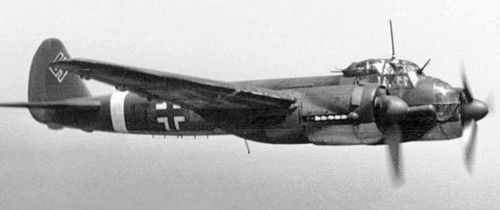
Strangely, this wasn’t the first time ARCo had a connection to Germany’s wartime efforts. Hugo Junkers, the famed designer of the Luftwaffe’s JU 88 bomber, had once been a competitor in the heating industry.
Before his pioneering work in aviation, Junkers developed boilers and radiators, competing fiercely with ARCo to dominate the German market in the early 20th century. By the 1930s, however, Junkers was forced to comply with the Nazis to make bombers, marking the end of his radiator rivalry with ARCo.
Image: The Junkers JU 88 Bomber.
Ideal Boilers and Radiators
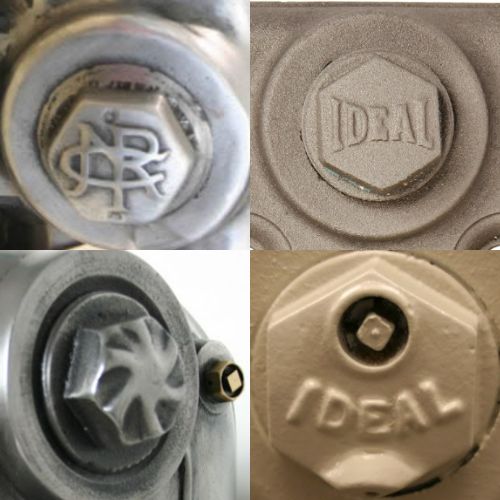
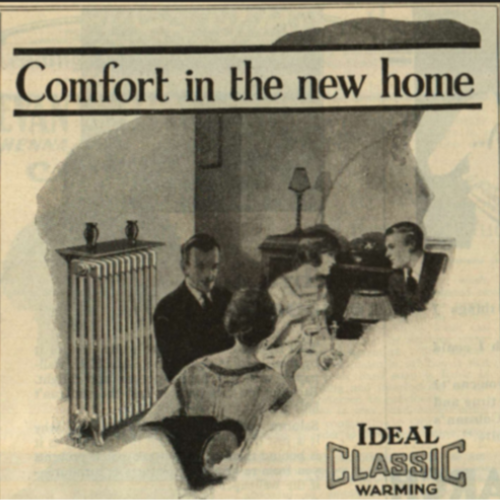
In 1934, the National Radiator Company was rebranded as Ideal Boilers and Radiators Ltd. This public company had a capital of £750,000 and was dedicated to manufacturing Ideal boilers and radiators, a name that had been synonymous with the American Radiator Company since the late 1800s. The familiar “Ideal” bush end, often seen on their radiators, became a distinctive feature of their products during this time.
In 1953, the company underwent another transformation, becoming Ideal Standard after being acquired by the Standard Company in the USA. This marked a new chapter in its history, as the company expanded into a broader range of heating and porcelain bathroom products under the Ideal Standard name.
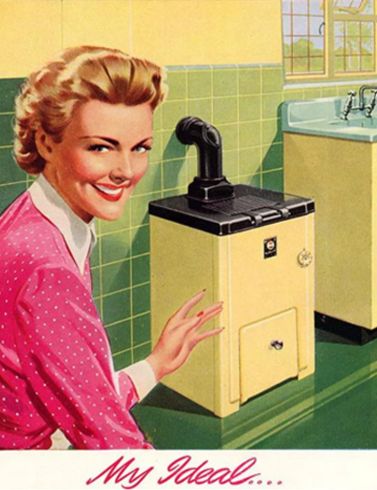
Image: A mid-1900s advert promoting Ideal Boilers and Radiators.
Identifying an NRC Radiator
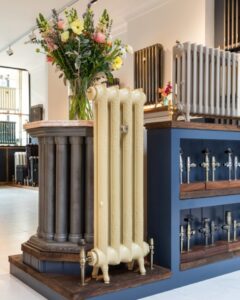
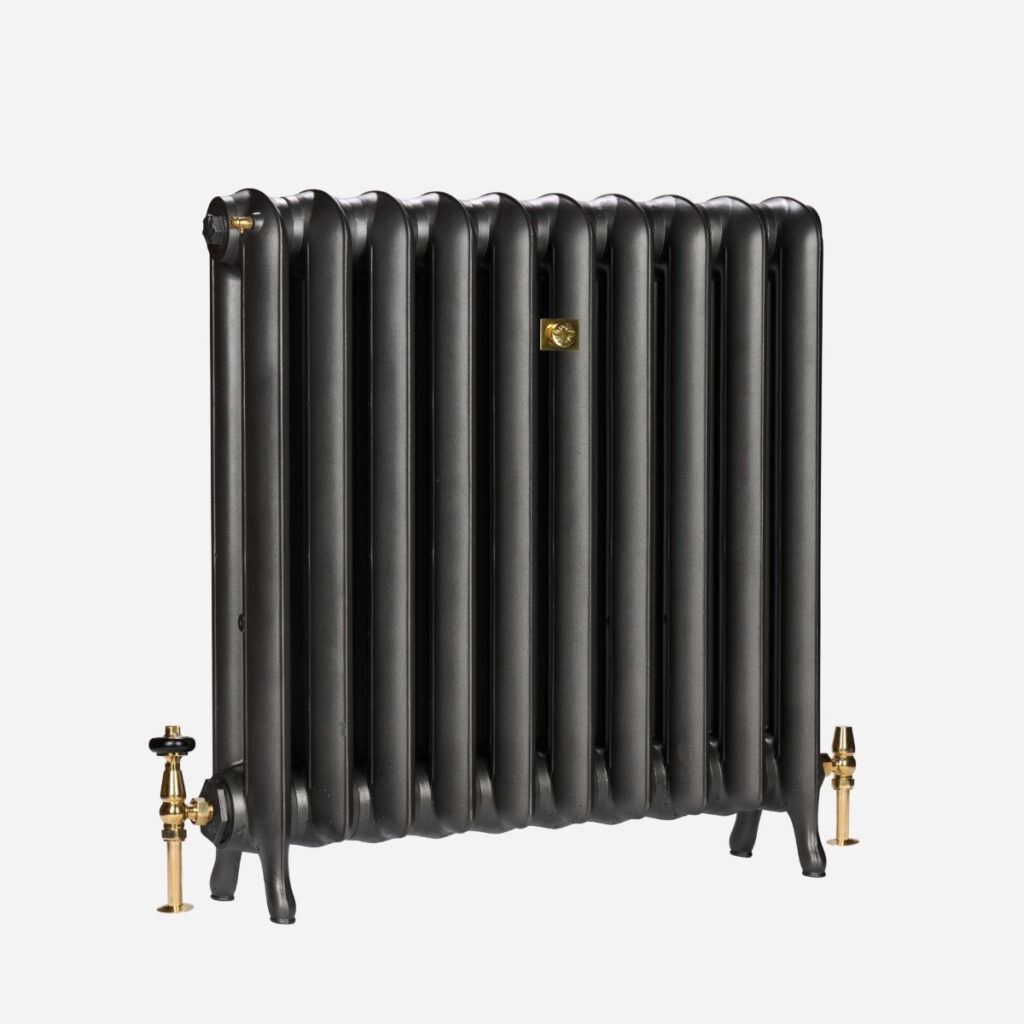
Radiators produced by the National Radiator Company (NRC) share many design elements with both their parent company, ARCo, and the company they later evolved into, Ideal Standard. The similarities across models and brands can make it tricky to distinguish an NRC radiator from those produced later by Ideal Standard, as both feature the same types of slightly flared legs with a central indentation.
One key feature to look for is the radiator bush markings. Before transitioning to Ideal Boilers and Radiators, NRC used two distinct bush designs: a clockwise spiral pattern and another featuring the NRC logo, where the letters overlap (also pictured). When the company became Ideal Boilers and Radiators, they added a third bush end with the ‘Ideal’ mark. While these markings can help identify an NRC radiator, it’s important to note that other manufacturers may have used NRC bush ends, so while helpful, these details aren’t definitive proof of origin.
Image: Four of the National Radiator Company / Ideal Boilers and Radiators most common bush ends.