




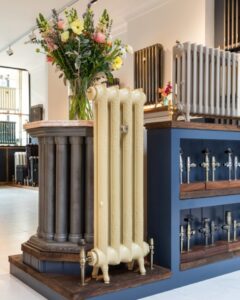
Ideal Classic
Precursor to the iconic ‘Neo Classic’, the Ideal Classic was Britain’s first column radiator.
Showing all 9 results
Showing all 9 results
The Ideal Classic
What Was the Ideal Classic?
The Ideal Classic radiator was likely introduced in the early 1920s, during a period when Edwardian column radiators were becoming more prevalent. This model represented a shift in both style and demand as the Art Deco movement began to influence the world of art and design. In contrast to the complex, ornate patterns of previous radiator models, the Ideal Classic embraced the simpler, sleeker aesthetic that were becoming popular.
Its design, along with other column radiators, made it more suitable for residential use compared to its predecessors, which were often designed for large public buildings. Over time, the Ideal Classic was eventually replaced by the Neo Classic, but it remains one of the most commonly encountered original radiators today.
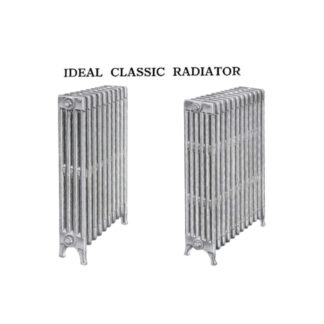
Image: A French advert promoting the Ideal Classic range (1930).
Key Features of the Ideal Classic
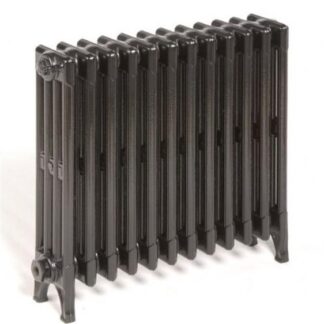
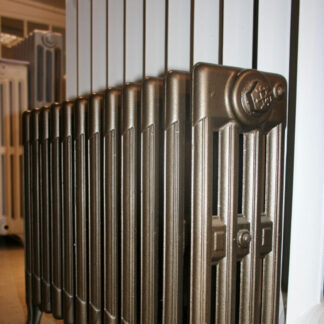
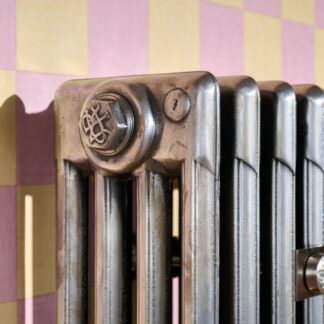
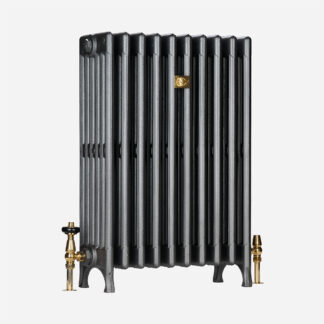
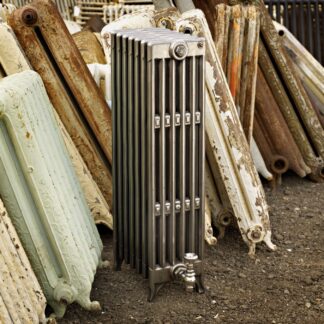
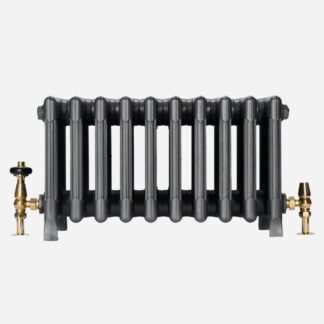
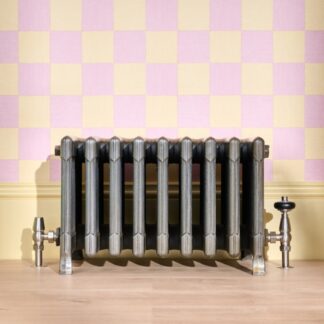
The square cross-braces connecting the middle of each column, a feature later phased out in newer models, were one of the most notable design elements unique to the Ideal Classic.
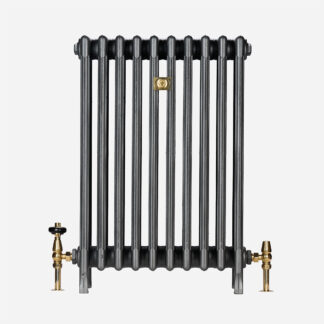
Additionally, the top of the radiator, or “shoulder,” was a sharp, rectangular shape, which set it apart from other column radiators. Unlike the later Neo-Classic, where the columns met the top and bottom collector with a rounded loop, the Ideal Classic had a straight, flat cut-off design at these points. This gave the radiator a robust and industrial look, characteristic of early 20th-century engineering.
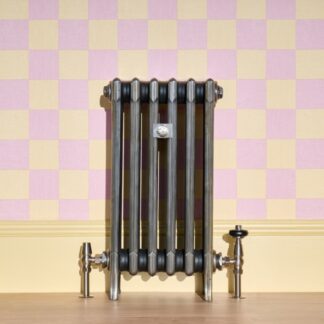
The Ideal Classic was available in 4- and 6-column versions, with heights ranging from 18 to 36 inches, offering a variety of options to suit either public buildings or homes.
