




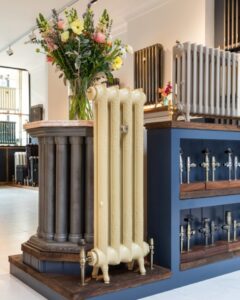
Princess
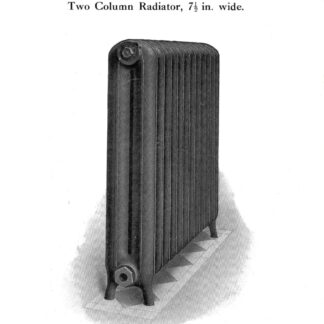
“13,000 tons of heating goods manufactured annually” – The Beeston Foundry catalogue (1914)
Showing 1–16 of 17 results
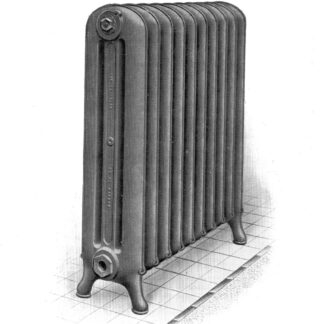
Showing 1–16 of 17 results
The History of the Princess Radiator
The Princess Radiator: The Pride of Beeston
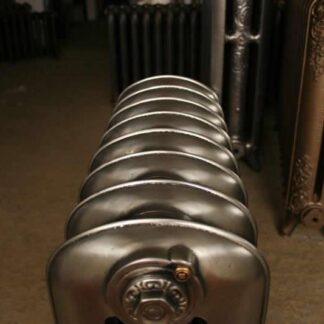
The Princess radiator range, introduced no later than 1914, quickly became the Beeston Boiler Company’s most iconic and widely recognised products. As a successor to earlier models like the Peerless and the Ideal Plain, it stands as one of the most beloved and enduring radiators in the UK, especially in schools and public buildings.
By 1914, the design of the Princess was fully developed, and no significant modifications were made afterward. From its initial release, the range featured 1- and 2-column versions, available in five different heights, while the 3-column version came in six heights. A 5-column version was created in the 1920s to complete the set.
Even today, the Princess radiator remains a common sight, often going unnoticed as a familiar fixture in schools, libraries, and other institutional buildings.
Identifying the Princess Radiator
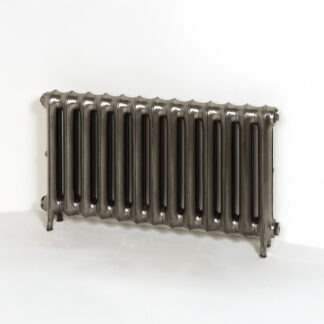
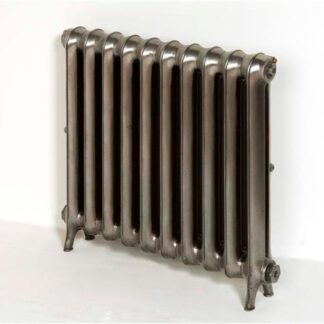
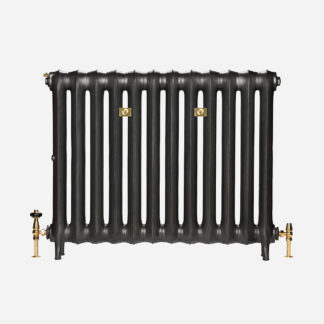
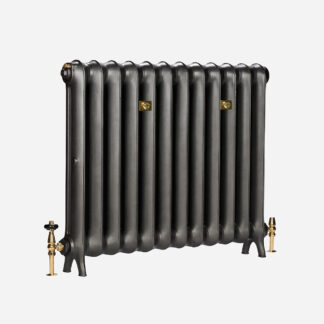
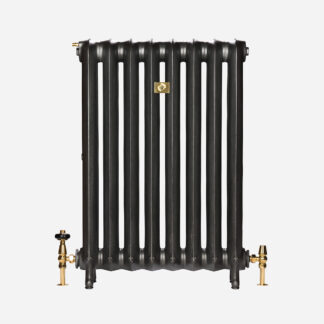
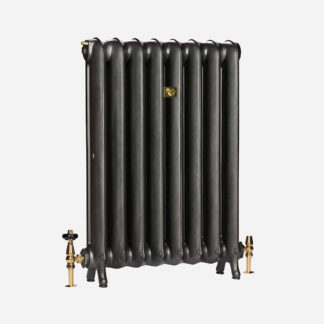
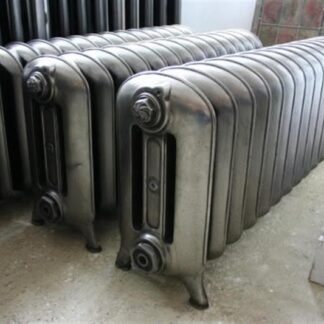
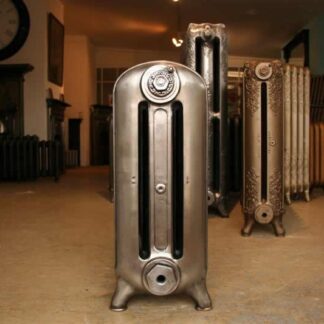
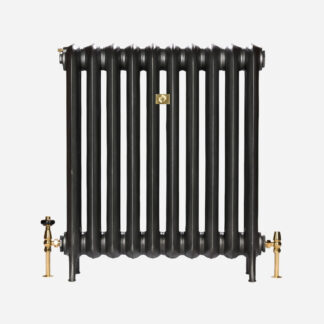
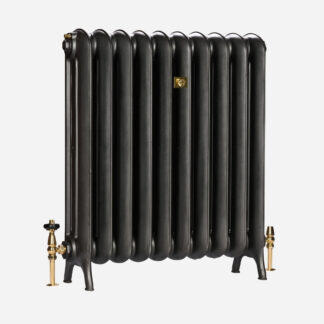
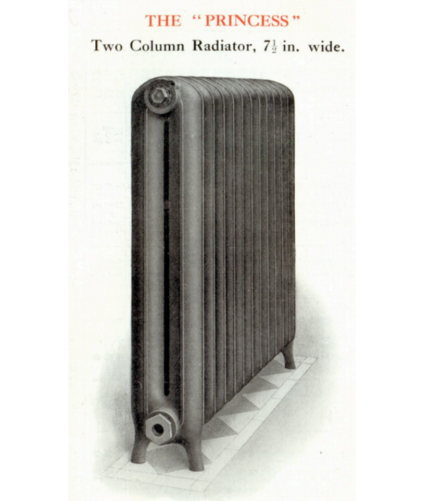
At first glance, the Princess radiator may appear almost identical to the Ideal Plain radiator from the National Radiator Company, as both share a classic, chunky design characterised by a bead running vertically down the front of each column.
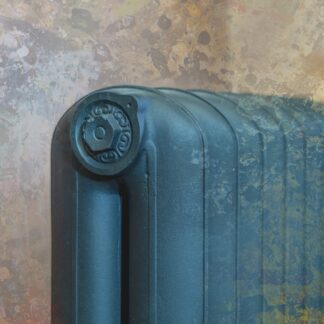
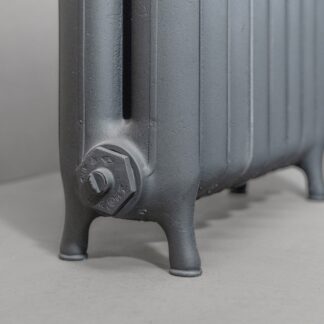
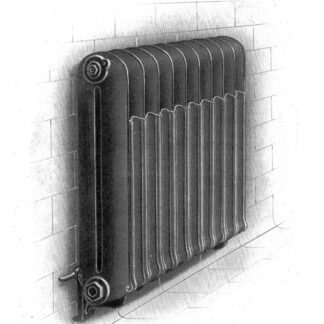
However, the Princess radiator has a few distinct features that set it apart. One of the key identifiers is its bleed valve, which protrudes from the top bush—a Beeston trademark found in their pre-1930s designs. Additionally, the Princess features more bowed legs, in contrast to the flared legs seen on the Ideal Plain.
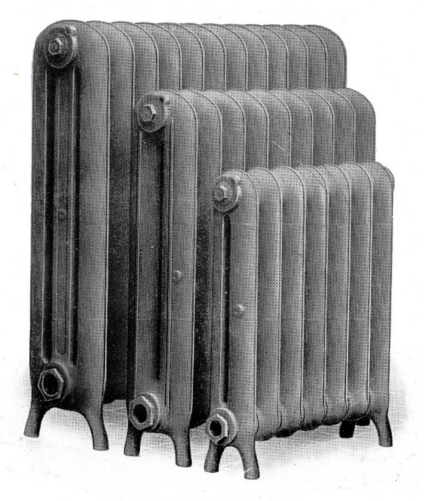
Image: A selection of Princess radiators from the Beeston Boiler Company catalogue (1914).
Old School Accessories
Beeston didn’t just focus on radiator design; they also invested significantly in accessories. These included a humidifying top rest, a towel rail that could be plugged into the top bushes, a wall shield, a ventilating base, and detachable ‘curved baffles’ for added visual appeal. These baffles, featuring decorative swirls, were placed just above the legs and were an interesting way to bring a touch of ornamentation to otherwise plain radiators.
Some of our Princess radiators retain these original accessories, with ‘baffles’ still attached, showcasing Beeston’s unique approach to changing design trends. As radiator designs moved from ornate to becoming more streamlined and plain in the early 1900s, Beeston stood out as one of the few companies that addressed this shift by offering optional decorative accessories.
Image: A range of Princess accessories from the Beeston Boiler Company’s catalogue (1914)
